حكم سريع: A template is a recipe written for one kind of photo. Feed it a different kind and it does not adapt — it forces the recipe onto the wrong ingredients, and the result looks wrong in ways no re-rolling fixes. The fix is not a better template. It is a better match: read the preview, name the mismatch, and fix the photo or pick a different template. An image template costs 49 الأرصدة ($0.98 $19.99 قطيع, $0.59 $59.99 قطيع); a 5-second video template costs 351 الأرصدة ($7.02 or $4.21). الأسعار تم التحقق منها 13 نوفمبر 2026.
Contents
- When the Template Doesn’t Fit
- Read the Preview Before You Pay
- The Four Mismatches
- Fix the Photo, Not the Template
- Remix Instead of Force
- What a Fitting Template Costs
- Honest Limitations
- Who This Is For — and Who It Is Not For
- الموافقة: The Rule Behind Every Template
- FAQ
1. When the Template Doesn’t Fit
Every template on this site was built from a specific photo: a specific pose, ضوء, تأطير, and body type. The template’s recipe — prompt, settings, reference — was tuned until that photo produced a good result. When you bring a different photo, the recipe does not retune itself. It runs exactly as written, on a photo it was never written for. The mismatch has a look: the pose almost right but the arms wrong, the light almost right but the shadows falling the wrong way, the body almost right but the proportions off. Almost right is the worst kind of wrong: close enough to tempt you into re-rolling, and re-rolling will not fix it.
The first thing to accept is that the template is not broken and your photo is not broken. They simply do not fit each other. A template written for a standing full-body shot will not work on a seated close-up, no matter how good the close-up is. A template written for soft window light will not work on a hard flash photo. The rule is blunt and it saves credits: the template has to fit the photo. If it does not, no seed, no prompt tweak, and no second attempt will make it fit. Change the photo or change the template — those are the only two moves that work.
2. Read the Preview Before You Pay
Every template has a preview: a before-and-after pair showing the source photo and the result the template produced. It is the most useful thing on the page, and most people skip it. Do not skip it. The preview tells you exactly what kind of photo the template wants: look at the source photo, not the result. What pose is the person in? Where is the light coming from? How much of the body is in frame? How busy is the background? If your photo does not match the source photo on those four things, the template will not work on it — and you will know that before you spend 49 الأرصدة, not after.
The preview also tells you what the template changes and what it leaves alone. Some change the pose and keep the face. Some change the setting and keep the body. Some change almost everything except the identity. Read the pair carefully: what is the same between before and after, and what is different? The things that stay the same are the things the template needs from your photo. If your photo cannot supply them — if the template needs a full body and your photo is a headshot — the template cannot do its job, and the result will be a compromise that pleases nobody. A minute with the preview saves a 49-credit mistake.
3. The Four Mismatches
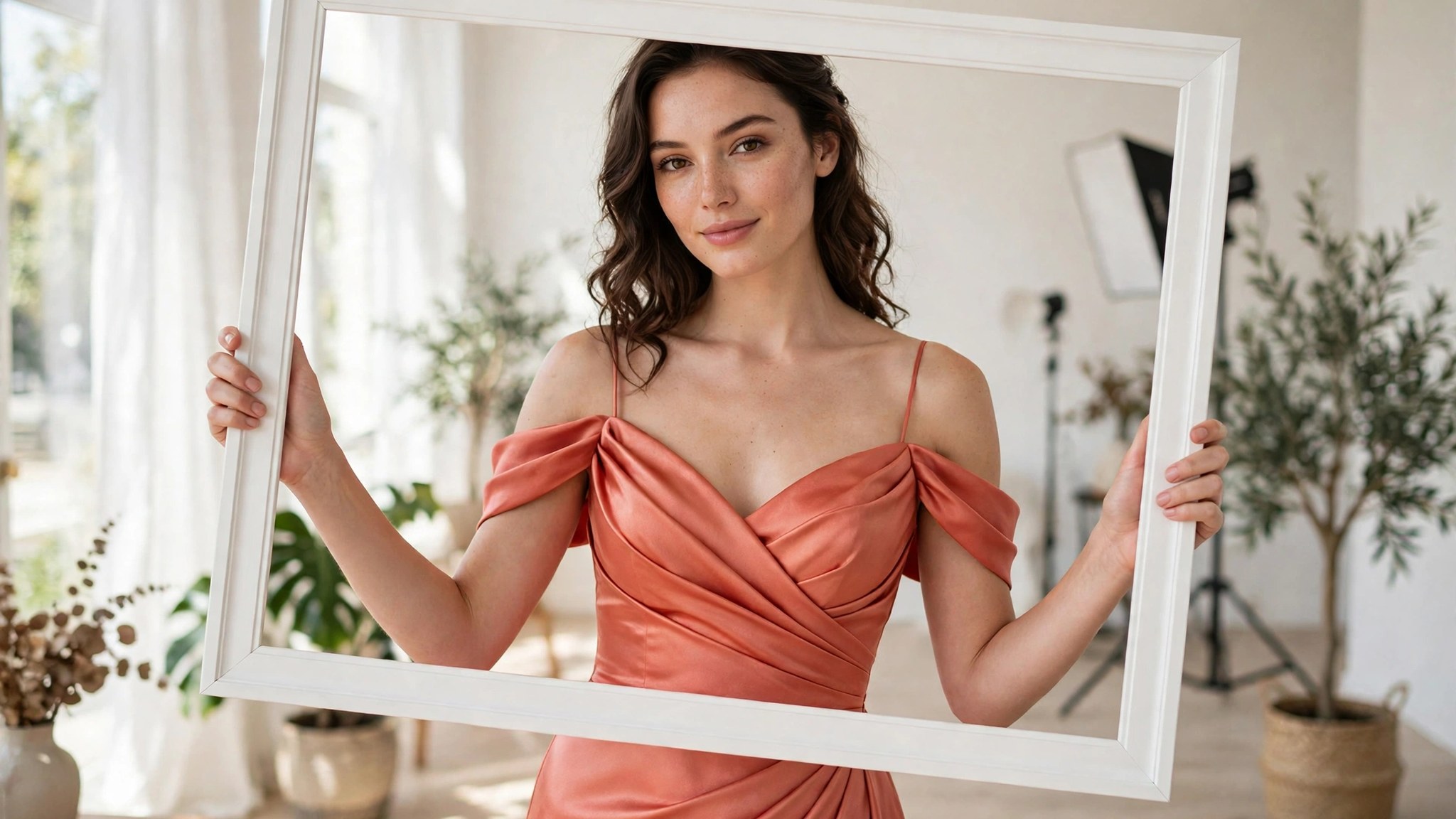
Most mismatches fall into four kinds, and naming the kind tells you the fix. The first is pose: the template wants standing and your photo is seated, or the template wants the subject facing the camera and your photo is a profile. Pose mismatches are the most visible and the least fixable — the model cannot invent a new pose from a photo that does not have one, and the result is usually a body that bends in a way no body bends. The fix is a new photo in the right pose, not a new template.
The second is light: the template wants soft window light and your photo has hard flash, or the template wants evening light and your photo is noon sun. Light mismatches are subtler but just as fatal: the template’s recipe assumes a light direction and shadow softness your photo does not have. The result is a body lit one way and a background lit another, and the eye reads the difference as fake. The fix is a photo taken in the right light — or a template written for the light you have.
The third is framing: the template wants a full body and your photo is a close-up, or the template wants a close-up and your photo is a wide shot. Framing mismatches are the easiest to spot in the preview and the easiest to avoid: if the source photo is a full body and yours is not, do not use that template. The fourth is body and setting: the template was tuned for one body type or one kind of room, and yours is different enough to break the recipe’s assumptions. These are the mismatches people argue with longest, and the ones most worth accepting quickly: a different template is cheaper than a dozen failed runs.
4. Fix the Photo, Not the Template
When a template does not fit, the instinct is to fix the template: tweak the prompt, change a setting, re-roll five times. That instinct is wrong — the template is not the variable, your photo is. The template is a fixed recipe; the photo is the ingredient you control. If the recipe wants a standing full-body shot in soft window light, take one. The fix takes five minutes with a camera and costs nothing. The alternative — re-rolling a mismatched photo until the model accidentally produces something usable — takes an hour and hundreds of credits, and usually does not work.
Fixing the photo means matching the four things the preview showed you: وضعية, ضوء, تأطير, و إعداد. You do not need a studio: a window, a plain wall, and a phone are enough. Stand where the light falls softly, frame the whole body, keep the background simple, and take the photo the template wants. If you cannot take that photo — a pose you cannot do, a setting you do not have — that is useful information too: this template is not for you, and the right move is a different template, not a forced one. The template has to fit the photo, and when it does, the result is usually good on the first try.
5. Remix Instead of Force
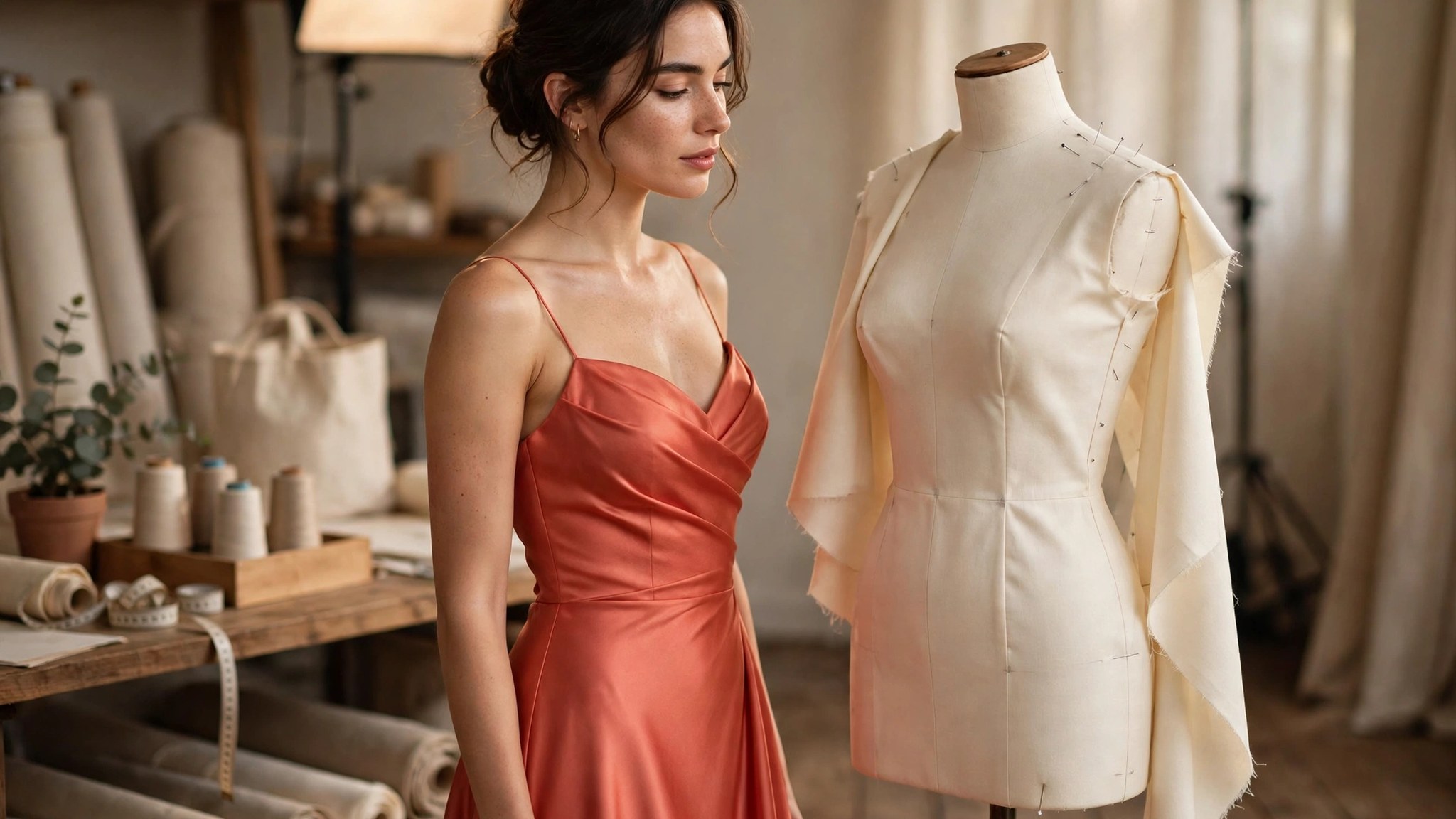
There is a third move, between fixing the photo and changing the template: remix. A template’s recipe is not sacred. If you like its pose but not its setting, or its light but not its framing, use the template as a starting point and adjust the prompt to match your photo — keep the part that fits, change the part that does not. The site’s template collection is built for this: the recipes are visible and the prompts editable. A remix that keeps the template’s pose and changes its setting to match your room is often better than either the original template or a forced fit.
Remixing works best when the mismatch is small: one thing wrong, three things right. If the pose and light match but the setting does not, change the setting in the prompt and keep the rest. If two or more things are wrong, remixing is usually a waste of time — you are rewriting the whole recipe, and at that point you are better off with a different template or a new photo. The test is simple: if you can name the one thing you are changing, remix. If you cannot name it, or the list of changes is longer than the list of things you are keeping, stop and pick a different template.
6. What a Fitting Template Costs
An image template costs 49 الأرصدة: $0.98 $19.99 قطيع (1,000 الأرصدة, $0.020 per credit), $0.59 $59.99 قطيع (5,000 الأرصدة, $0.012 per credit). Three attempts at the same template cost 147 الأرصدة: $2.94 or $1.76. A 5-second video template costs 351 الأرصدة ($7.02 or $4.21); an 8-second video template costs 561 الأرصدة ($11.22 or $6.73). The expensive mistake is not one template — it is five that do not fit, bought because the preview was skipped. Five mismatched image templates cost 245 الأرصدة ($4.90 or $2.94); five mismatched video templates cost 1,755 الأرصدة ($35.10 or $21.06). Read the preview first, and the cost of a fitting template is the cost of one template.
For comparison, an undress costs 21 الأرصدة ($0.42 or $0.25), a face swap costs 26 الأرصدة ($0.52 or $0.31), and a standard text-to-image generation costs 6 الأرصدة ($0.12 or $0.07). The cheapest way to test a fit is the 6-credit generation: describe the pose, ضوء, and framing the template wants, generate a test image, and check it against the template’s source photo. If it does, لك صورة سوف يناسب. If not, you spent 6 credits learning what a 49-credit template would have taught you. Annual packs ($119.88 $359.88) are paid once and delivered monthly across 12 months, with no auto-renewal. This guide does not state a monthly credit number for them, because no public page publishes one. الأسعار تم التحقق منها 13 نوفمبر 2026.
Honest Limitations
No template fits every photo. A template is a recipe for one kind of photo, and that is its strength: it is good because it is specific. A template that claimed to fit every photo would fit none well. The specificity is the point; the mismatch is the price.
The preview is a single example. Your photo may differ from the source photo in ways the preview does not show — a different body type, a different room, a different camera. The preview is a guide, not a guarantee. If your photo is close to the source photo on pose, ضوء, تأطير, و إعداد, the template will probably work. Probably is not certainly.
Remixing has limits. A remix can fix one mismatch, sometimes two. It cannot turn a seated close-up into a standing full-body shot, or a flash photo into a window-light photo. When the gap between your photo and the template is wide, the honest move is a different template, not a bigger remix.
Who This Is For — and Who It Is Not For
This guide is for anyone who uses the template collection on AI Porn XXX — image templates, video templates, or both — and has paid 49 credits for a result that looked wrong without knowing why. It is for people who want a method: read the preview, name the mismatch, fix the photo or pick a different template. It is also for anyone who edits results with the image editor or swaps faces with the face swap tool — the same fit logic applies to every generation. It is not for people who want one template to do everything. No template does everything, and the guide that promises one is lying.
الموافقة: The Rule Behind Every Template
Everything above assumes one rule with no exceptions: only generate images of yourself, or of fully fictional adult characters you created. Never generate a template result, an undress, or any intimate image of a real person without their explicit consent — not a friend, not a partner, not a public figure, not a photo you found online. “They will never know” is not consent. “It is just a test” is not consent. “It is obviously fake” is not consent. Non-consensual intimate imagery is illegal in many places — the United States’ TAKE IT DOWN Act (2025), the UK, and the EU all restrict it — and it causes real harm. A template makes the harm easier to repeat, which is why the rule matters more. If you are unsure whether a photo is yours to use, it is not yours to use.
FAQ
Why does a template work on one photo and not another?
Because a template is a recipe written for one kind of photo: وضعية واحدة, ضوء واحد, one framing, إعداد واحد. When your photo matches the template’s source photo on those four things, the recipe works. When it does not, the recipe forces itself onto the wrong ingredients, and re-rolling cannot fix the result.
How do I know if a template fits my photo?
Read the preview: look at the template’s source photo, not its result. Compare your photo to it on four things — pose, ضوء, تأطير, إعداد. If all four match, the template fits. If one is wrong, fix the photo or remix the prompt. If two or more are wrong, pick a different template.
What is the most common mismatch?
وضعية. The template wants a standing full-body shot and the photo is seated, or the template wants the subject facing the camera and the photo is a profile. Pose mismatches are the most visible and least fixable — the model cannot invent a new pose from a photo that does not have one.
Should I re-roll a template that does not fit?
لا. Re-rolling changes the seed, and the seed changes the surface — skin, ضوء, small details — not the pose, the light direction, or the framing. A mismatch is a fit problem, not a seed problem. Fix the photo, remix the prompt, or change the template.
كم يكلف القالب?
An image template costs 49 الأرصدة ($0.98 $19.99 قطيع, $0.59 $59.99 قطيع). A 5-second video template costs 351 الأرصدة ($7.02 or $4.21); an 8-second video template costs 561 الأرصدة ($11.22 or $6.73). Test the fit first with a 6-credit standard generation ($0.12 or $0.07). الأسعار تم التحقق منها 13 نوفمبر 2026.
Can I edit a template’s prompt to fit my photo?
Yes — that is remixing, and it works when the mismatch is small: one thing wrong, three things right. Keep the part that fits and change the part that does not. If two or more are wrong, remixing is usually a waste of time; pick a different template instead.
تابع القراءة
- Template Collection: Curating a Go-To Set for Every Mood — once you know which templates fit your photos, build a set of them instead of browsing from scratch every time.
- Read the Preview: 5 Signs a Template Is Worth 49 النقاط — the preview is the cheapest test on the site, and this guide shows you how to read it.
- قالب وصفات: مزج إباحي AI قوالب — the full guide to remixing, for when the mismatch is small and the template is worth saving.